Python and learning
Python has been a central part of my work as an author and lecturer for many years. My extensive learning platforms are python-course.eu and python-kurs.eu. My courses and publications range from the fundamentals through object-oriented and functional programming to NumPy, Pandas, data analysis and machine learning.
Publications
My Python books and eLearning courses
Books and adaptive online courses for learning Python, functional programming, numerical computing, data analysis and visualisation.
Books
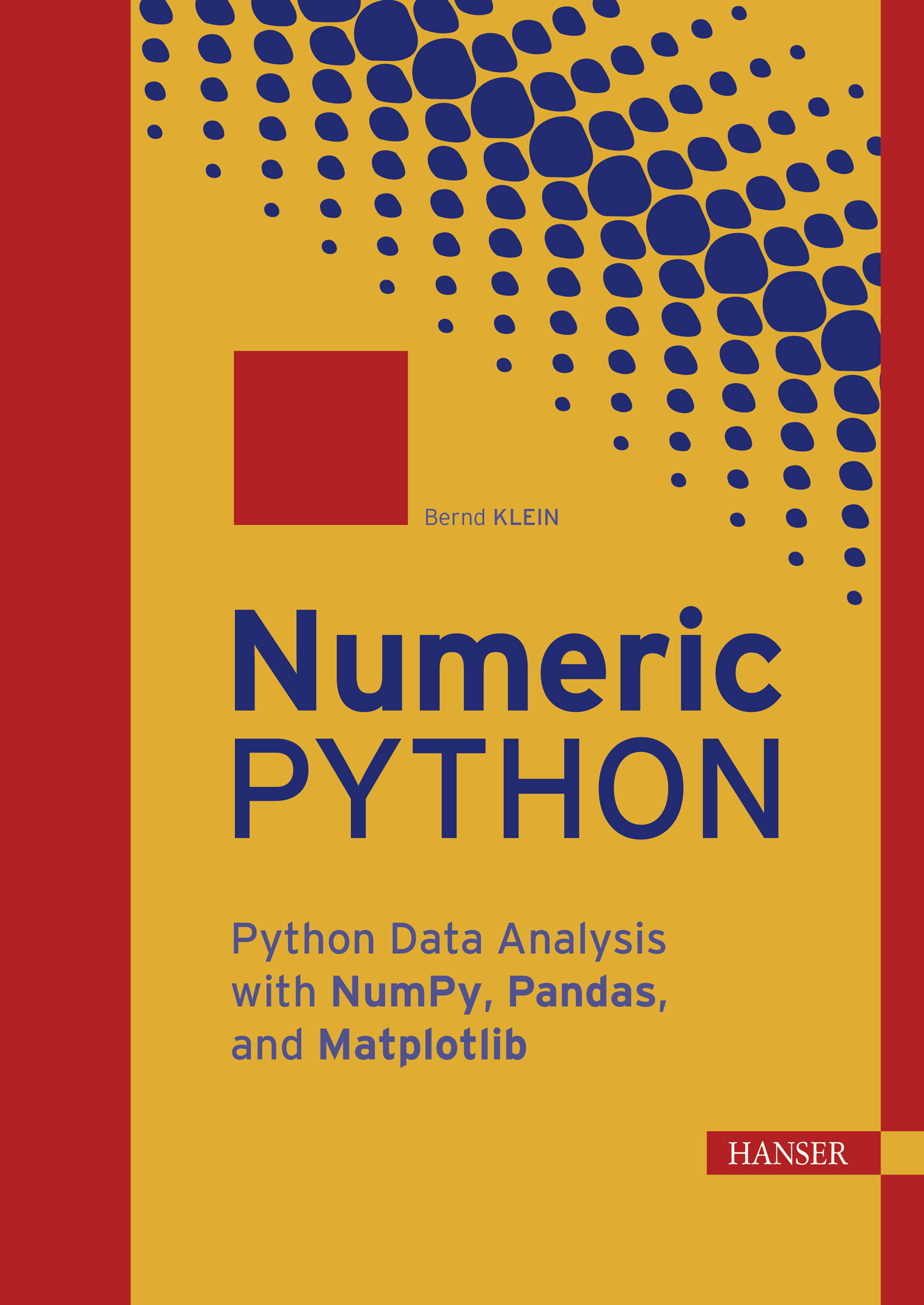
Numeric Python
Numerical computing and data analysis with NumPy, Pandas and Matplotlib, from arrays and vectorised operations to DataFrames, time series and scientific visualisation.
ISBN 978-1-56990-960-7
View at Hanser →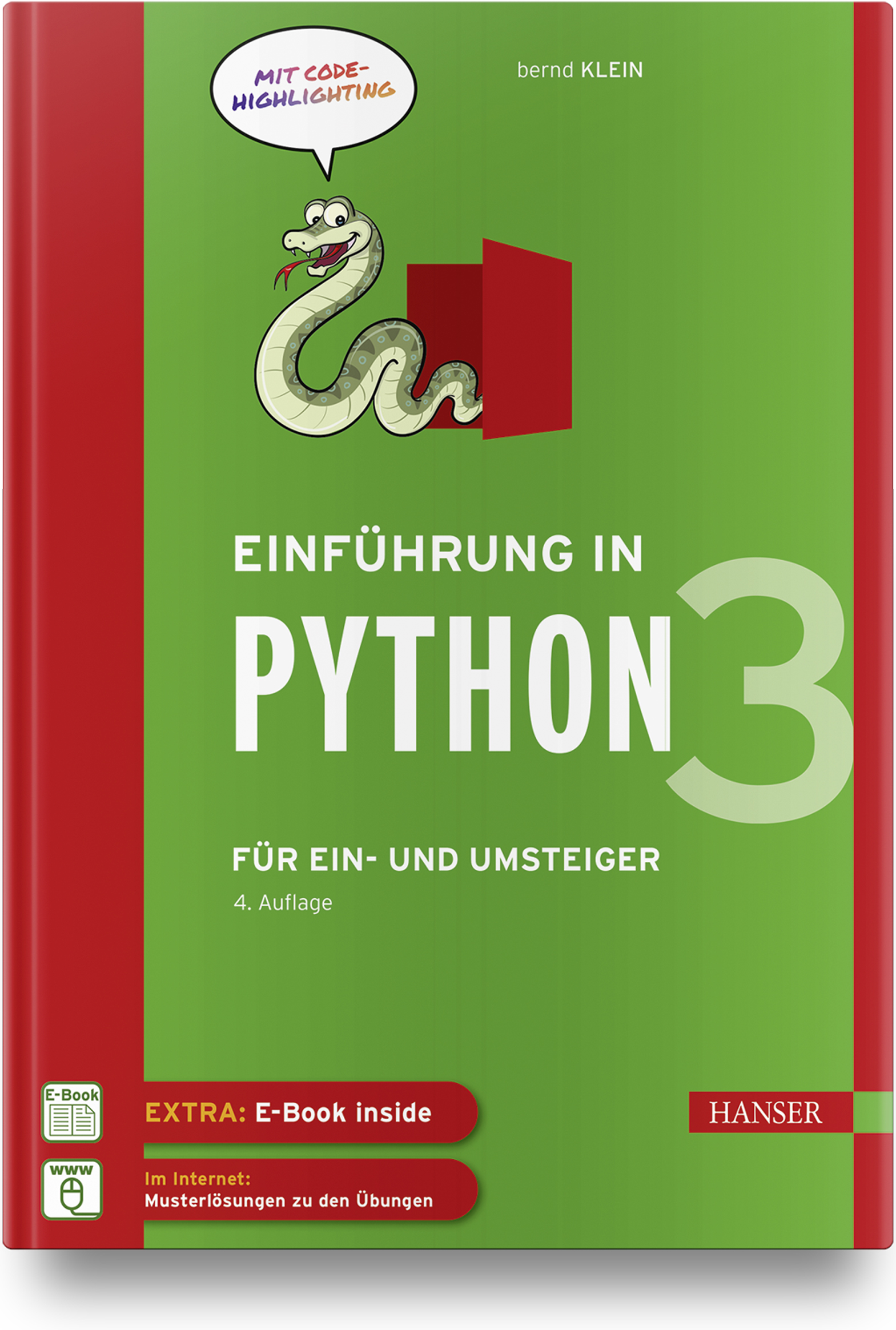
Einführung in Python 3
A systematic textbook and reference work for beginners and programmers changing languages, covering Python fundamentals as well as object-oriented and functional programming.
ISBN 978-3-446-46379-0
View at Hanser →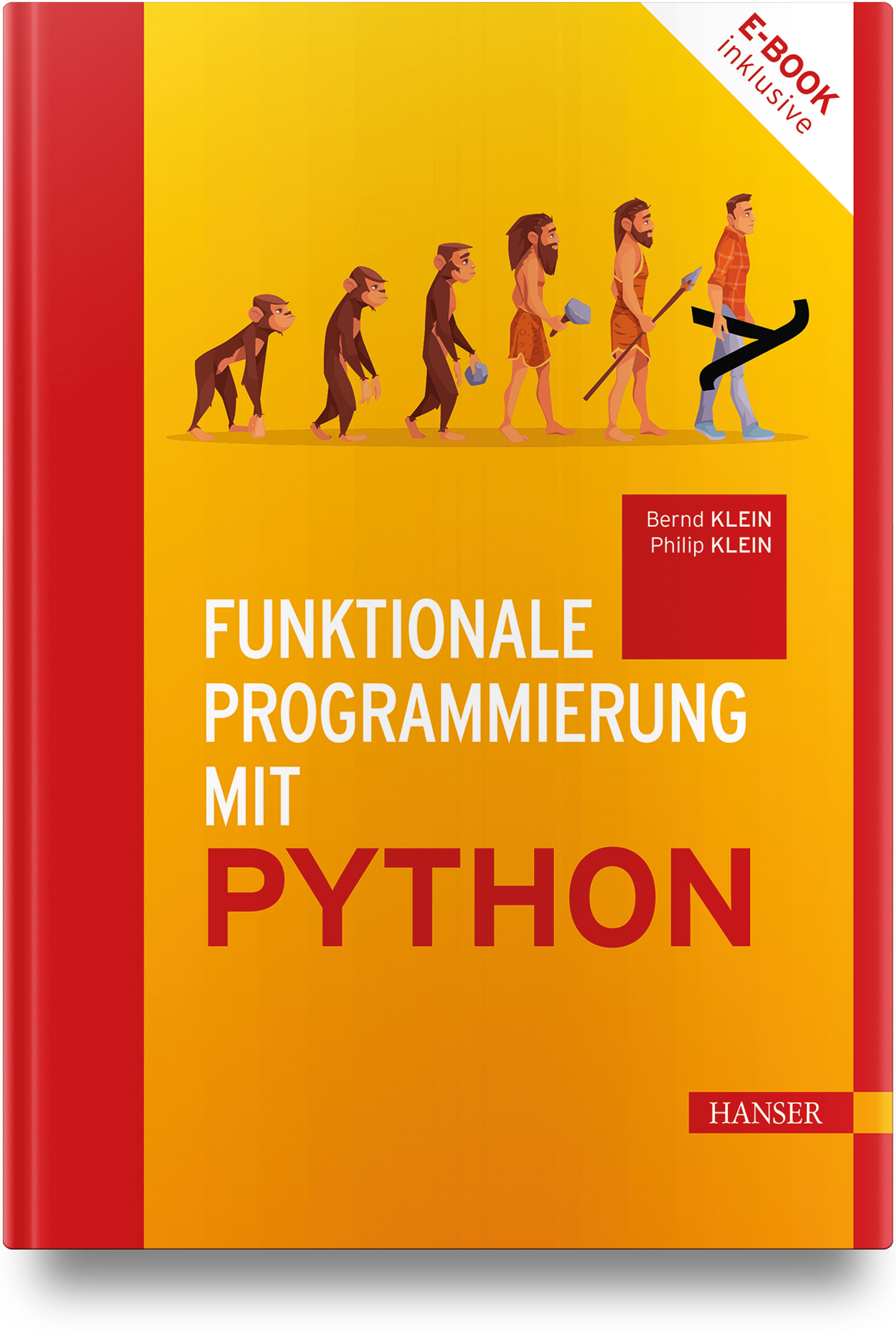
Funktionale Programmierung mit Python
Co-authored with Philip Klein: pure and higher-order functions, decorators, closures, composition, currying, generators, iterators and practical exercises.
ISBN 978-3-446-48191-6
View at Hanser →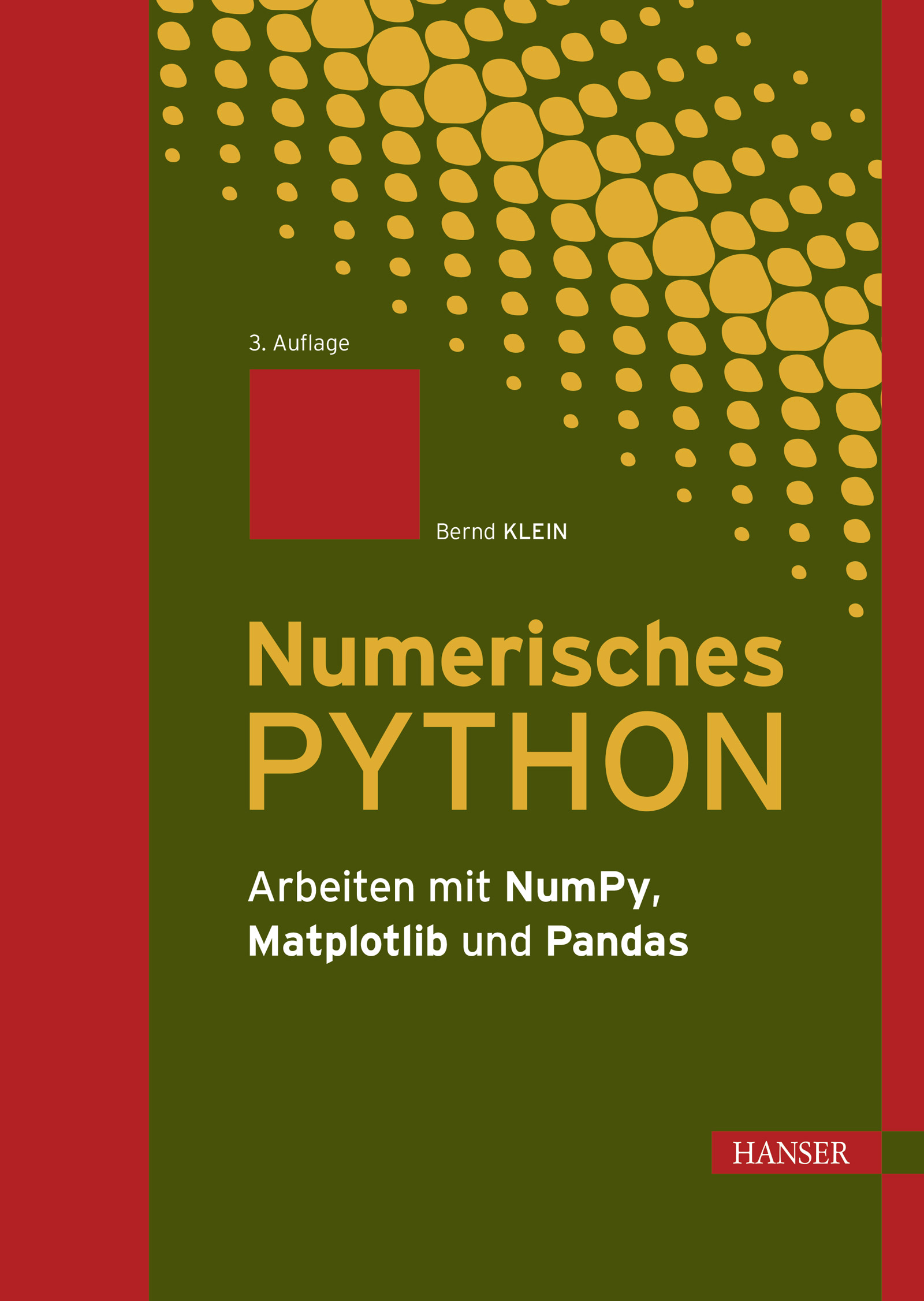
Numerisches Python
NumPy, Matplotlib and Pandas for numerical computing, data analysis and visualisation, with applications from science, engineering, finance and image processing.
ISBN 978-3-446-48549-5
View at Hanser →eLearning courses
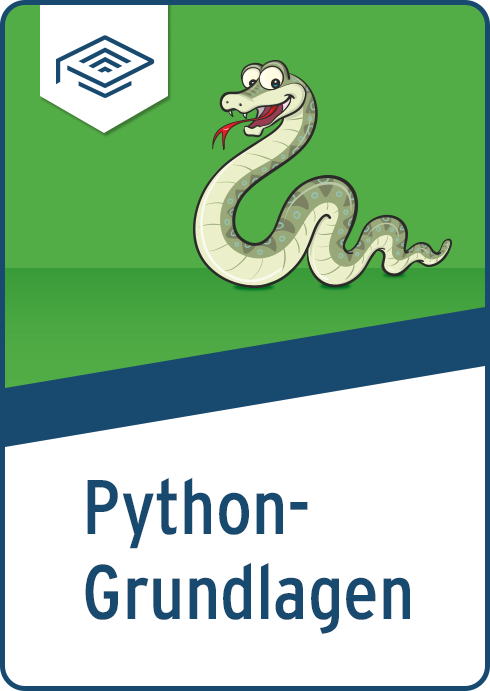
Python-Grundlagen | eLearning
An adaptive introductory Python course covering variables, data types, sequences, decisions, loops, dictionaries, files and functions.
ISBN 978-3-446-47992-0
View at Hanser →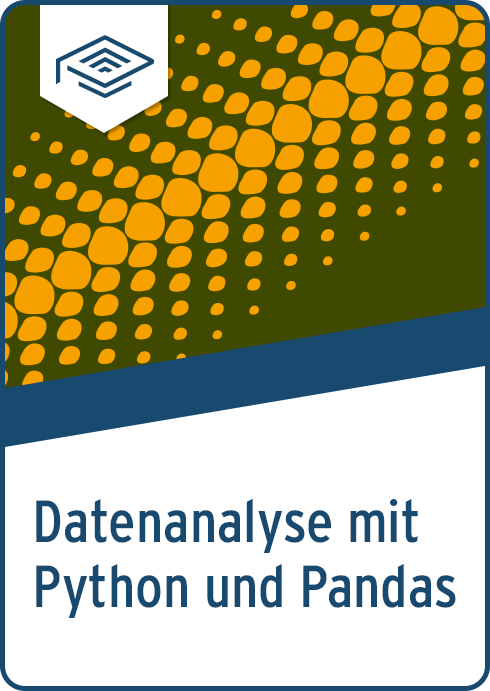
Datenanalyse Python | eLearning
An adaptive Pandas course covering Series, DataFrames, missing data, file processing, groupby, data visualisation and time series.
ISBN 978-3-446-48614-0
View at Hanser →The original cover images are loaded directly from Carl Hanser Verlag.
Linux, open source and digital sovereignty
Linux and free software were already central themes on the historical Klein-Singen website. Today, this field also includes open standards, interoperability, sustainable software infrastructures and the question of how governments, companies and individuals can retain control over their technical systems.
Open source, software patents and intellectual property
Knowledge, ideas and software exist in a tension between creation, access, competition and control. The debate over software patents is one of the oldest political themes on this website. It includes curious historical cases as well as fundamental questions about whether and how software-related ideas should be patentable.
Free software is not merely a licensing issue. Projects such as Samba show how reverse engineering, open interfaces and competition are connected. The GPL, LGPL, Creative Commons and the public domain also raise the broader question of the conditions under which knowledge and culture may be used, developed and shared.
Geistiges-Eigentum.eu
On my website geistiges-eigentum.eu, I critically examine the umbrella term commonly translated as “intellectual property”. Intangible goods such as ideas, texts, music, software or technical concepts cannot simply be equated with physical objects: taking away a physical object deprives its previous possessor of it, whereas an idea or piece of information can be copied and used by several people at the same time.
My point is not the simplistic claim that intellectual creations should never be protected. The crucial questions are which rights make sense in which field, whom they benefit, whom they exclude, and how they affect innovation, competition, culture and the free exchange of knowledge.
Current areas of focus
- Python and software development
- Data analysis, NumPy and Pandas
- AI and machine learning
- Linux, open source and licensing models
- Software patents, interoperability and digital sovereignty